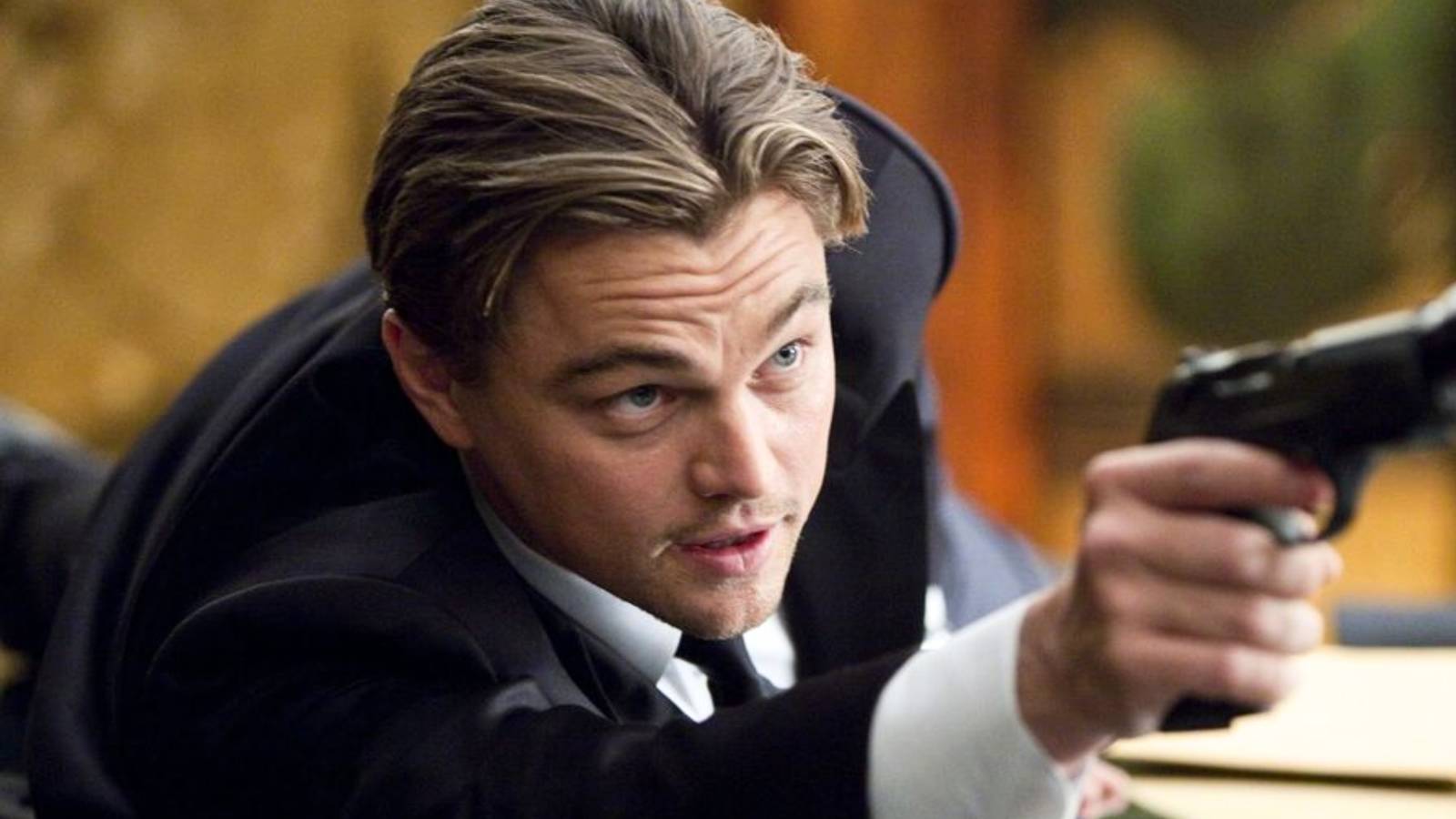




Although John Wayne will forever be linked to the Western genre, he made about a dozen war movies during his esteemed career. Most of them explore the grueling battles of World War II and the American Civil War, and many were noted for their historical authenticity. Yet for every realistic portrayal like The Longest Day, Wayne also played fast and loose with the facts in movies like The Alamo and The Green Berets.
As a result, only a handful of Wayne’s war movies withstand scrutiny for their accuracy. This pattern aligns with Wayne’s most realistic Westerns, such as The Cowboys and Fort Apache, which have been praised for reflecting history as closely as possible. For war movie buffs who prioritize verisimilitude, these John Wayne films are frequently cited by critics and historians for their attention to historical detail.
‘They Were Expendable’ (1945)
Based on Real Events & PT-Boat Commanders
Why It’s Great: John Ford’s Oscar-nominated World War II movie chronicles a key conflict in the Battle of the Philippines. John Wayne plays a fictionalized character based on PT-boat executive officer Robert Kelly. Robert Montgomery co-stars as the torpedo boat commander based on real-life Medal of Honor recipient John D. Bulkeley.
The movie was made with support from the United States Navy (according to TCM) and is noted for its faithfulness to the real skirmish following the attacks on Pearl Harbor.
Praise for Historical Accuracy: The movie was shot in a gritty, documentary style that amplifies the stark realism. John Ford channeled his experience as a combat photographer in the U.S. Navy Reserve to choreograph the most lifelike tactical sequences. Robert Montgomery, who was a real PT-boat commander in World War II, revised the script and corrected incorrect elements. As a result, EBSCO Historical Research Starters applauded the movie’s authenticity.
Watch this if
- You want to see one of Wayne’s earliest war films
- You’re a big fan of John Ford’s war movies
Skip this if
- A movie from 1945 is too old to invest time in
Will you watch this?
‘Sands of Iwo Jima’ (1949)
The Battle of Iwo Jima Comes to Life
Why It’s Great: Wayne earned an Oscar nomination for his performance as U.S. Marine Sergeant John M. Stryker. The story follows American soldiers in the Battle of Iwo Jima during World War II. The movie pioneered the seamless blend of real World War II newsreel footage and dramatic reenactments.
The Marine Corps directly supported production, with over 2,000 real service members used as background extras. The Marines also provided authentic military gear, with several scenes shot at the real Camp Pendleton.
Why It Was Praised for Historical Accuracy: According to the Warfare History Network, Sands of Iwo Jima honors the true story of those who fought in the battle of Iwo Jima. The most authentic moment is when the surviving Marines raise a victory flag on Mount Suribachi.
The film includes brief appearances by some men associated with the second flag‑raising on Mount Suribachi — René Gagnon, Ira Hayes, and John Bradley. EBSCO and Ghosts of the Battlefield also lauded the movie for combining real combat imagery with veterans.
Watch this if
- You want to compare it with Flags of Our Father
- You want to compare to Letters from Iwo Jima
Skip this if
- You’d rather watch Wayne’s The High and the Mighty
Will you watch this?
‘Operation Pacific’ (1951)
A Real WWII Veteran Served as the Technical Advisor
-
 Warner Bros. Pictures
-
 Warner Bros.
-
 Warner Bros. Pictures
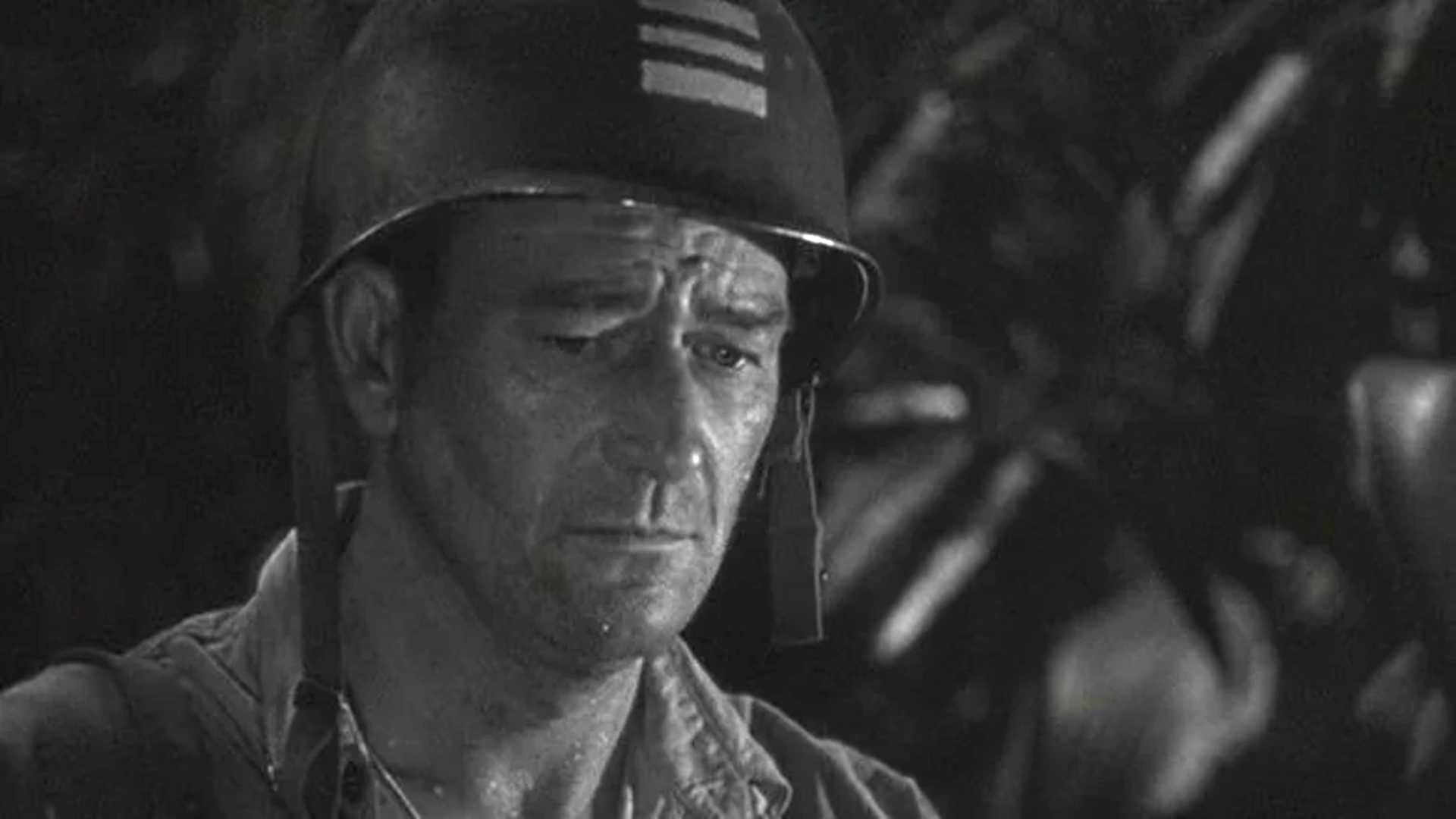
Why It’s Great: Operation Pacific tells the story of the USS Thunderfish, a submarine tasked with rescuing children after the Pearl Harbor attacks. John Wayne plays Lt. Commander Duke E. Gifford, who takes charge and orders deck guns, anti-aircraft weapons, and heavy artillery to complete the mission. Decorated World War II admiral Charles A. Lockwood served as the technical advisor and ensured that the movie had the most accurate depiction of the battle possible.
Why It Was Praised for Historical Accuracy: Mark Frankel of Turner Classic Movies hailed Operation Pacific for being “based on the real-life heroism of Howard W. Gilmore, commander of the submarine tender USS Growler.”
The story’s most authentic aspect is the malfunctioning Mark 14 torpedo and its Mark IV exploder. According to AFI, this became a real problem, leading to 13 of 15 torpedo failures during an October 1943 attack on the submarine USS Tinosa.
Watch this if
- WWII is your favorite type of war movie
- You want to see one of Wayne’s best performances
Skip this if
- You prefer the HBO miniseries The Pacific
Will you watch this?
‘Island in the Sky’ (1953)
A Realistic Portrait of a True-Life Military Plane Landing
-
 Warner Bros. Pictures
-
 Warner Bros. Pictures
-
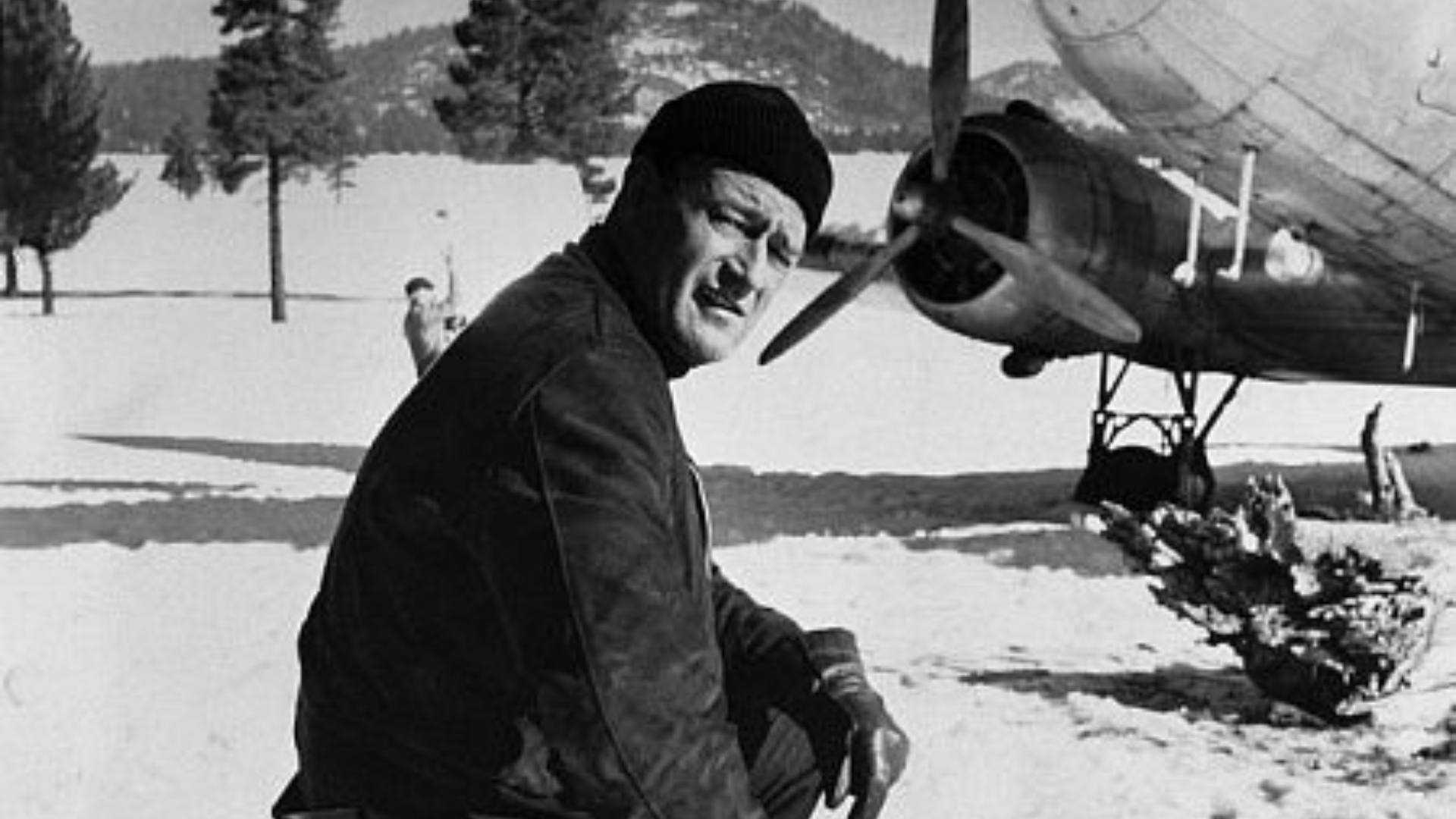
Why It’s Great: In Island in the Sky, John Wayne plays pilot John Dooley, loosely based on the real aviator Ernest K. Gann. The story is based on Gann’s harrowing near-death experience during a World War II flight in February 1943. The action follows Dooley’s brave attempt to steer a Dakota transport aircraft to safety after icy conditions force an emergency landing.
As they wait for rescue planes, fear and paranoia lead to discord among the survivors. Gann wrote the screenplay and served as the technical advisor. He also piloted aircraft in some second-unit sequences.
Praise for Historical Accuracy: Island in the Sky takes a visceral, documentary-like approach to its subject. Aviation historians and professional pilots have noted its unflinching realism, including the use of a real hand-cranked emergency radio transmitter taken from the incident. The source comes from Gann’s autobiography, Fate is the Hunter, which also served as the basis for the John Wayne war movie The High and the Mighty.
Watch this if
- You enjoy search and rescue military missions
- You want to see an accurate depiction of the real event
Skip this if
- Black and white movies are too tough to sit through
Will you watch this?
‘The Horse Soldiers’ (1959)
A Civil War Western Film That Reflects The Times
-
Marlowe leads troops in The Horse Soldiers United Artists -
The Horse Soldiersstarring John Wayne United Artists -
United Artists
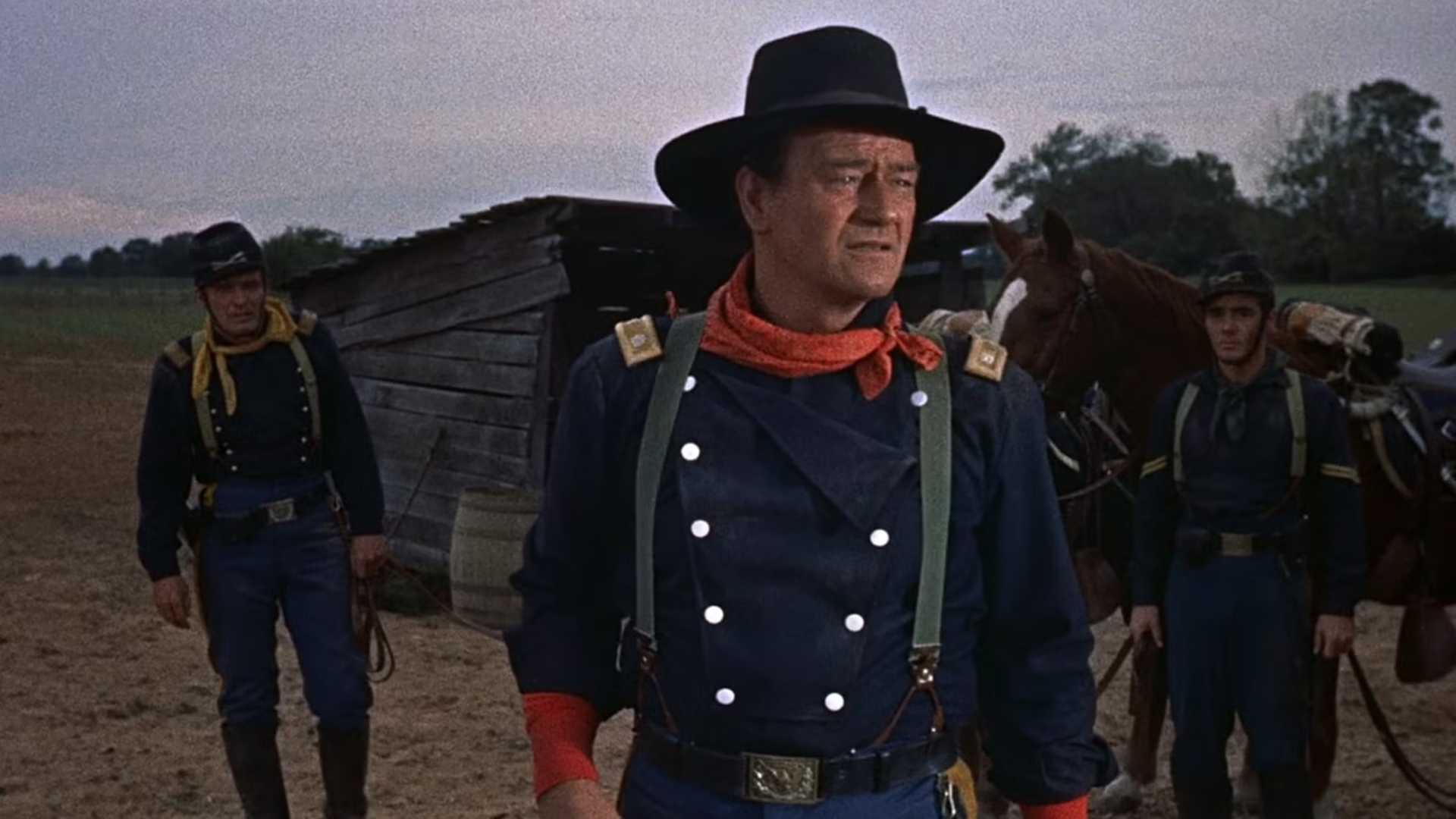
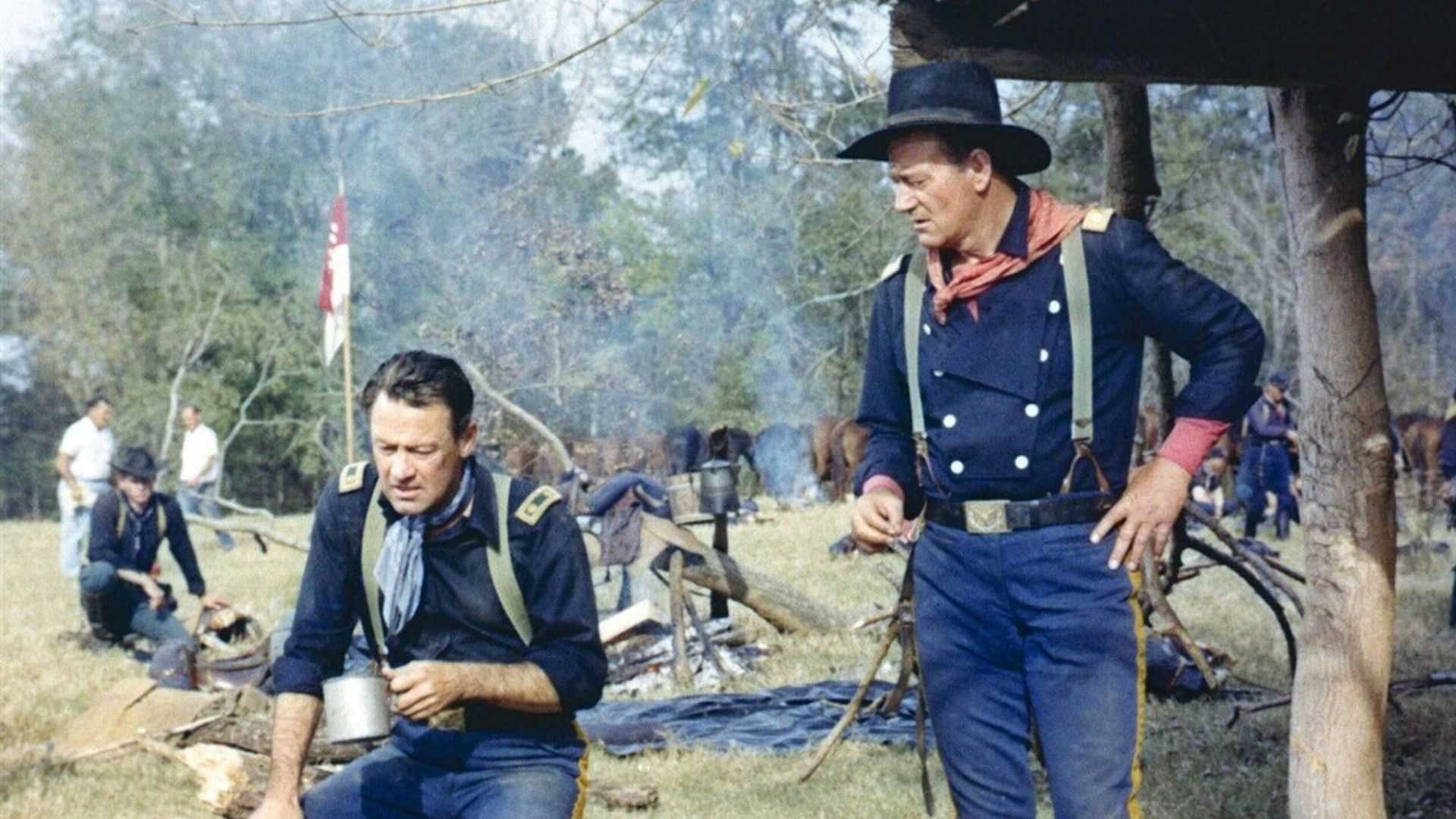
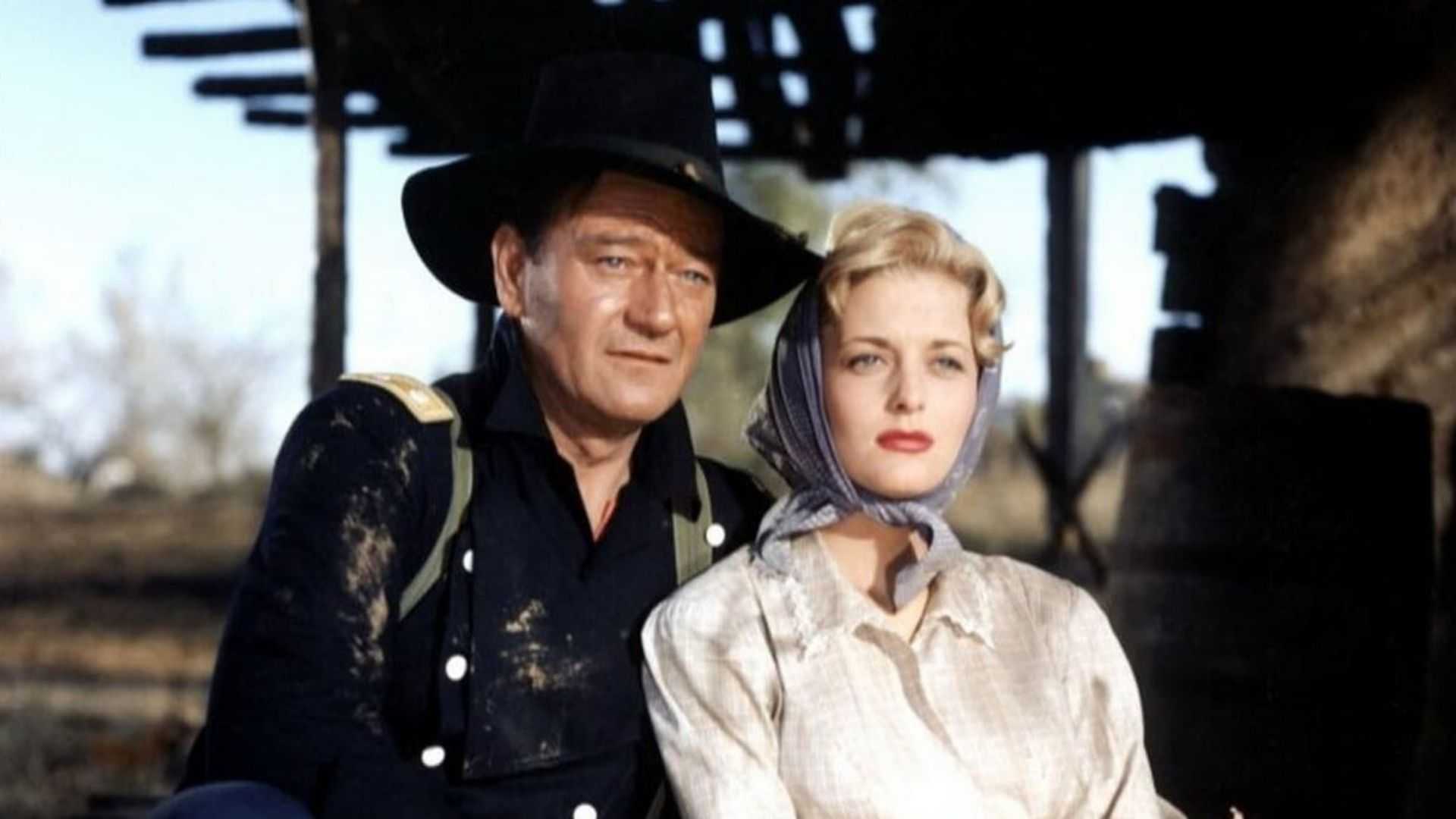
Why It’s Great: The Horse Soldiers is a historical fiction that dramatizes elements of Grierson’s 1863 raid. Scholars praised its depiction of the raid’s strategic aims. They have also noted its fictionalization of characters, timeline, and details.
The John Ford Civil War movie follows Lt. Colonel John Marlowe (Wayne), a Union brigade leader charged with destroying a strategic railroad behind enemy lines. Although it’s a work of historical fiction, the movie recounts the Grierson Raid of 1863 with authenticity. Granted, the characters’ names, subplots, and timelines have been altered, but the story remains true in spirit.
Praise for Historical Accuracy: Research conducted by The Cleveland Civil War Roundtable asserts that The Horse Soldiers correctly reflects the events of the Grierson Raid.
The film was praised for mirroring how the real raid cut off Confederate supplies. According to historian Neil Longley York’s book Fiction as Fact: The Horse Soldiers & Popular Memory, the raid genuinely served as a massive diversion to prevent Confederate troops from reaching the Mississippi River.
Watch this if
- You enjoy Civil War stories
- You can’t get enough John Ford/John Wayne collaborations
Skip this if
- You dislike Civil War movies
Will you watch this?
‘The Longest Day’ (1962)
The Most Realistic Depiction of the D-Day Invasion
Why It’s Great: Alongside Saving Private Ryan, The Longest Day features the most authentic depiction of the D-Day Invasion in World War II. John Wayne portrays real war veteran Benjamin H. Vandervoort, who was awarded the Distinguished Service Cross twice.
The movie was lauded for its vivid multi-perspective scope and seamless blend of archival footage and dramatic reenactments. Several veterans who participated in the invasion of Normandy, such as Vandervoort and Major John Howard, served as consultants.
Praise for Historical Accuracy: Historian Dan Snow says The Longest Day closely mirrors the real events. Snow praised the massive scale, tactical accuracy, and international cooperation of the infamous D-Day landing.
The story is based on military historian Cornelius Ryan’s nonfiction account; Ryan was a war correspondent during World War II. Most telling, the filmmakers cast real members of the Allied and Axis forces to reenact their roles, preventing the movie from becoming a one-sided piece of American propaganda.
Watch this if
- You want to compare it to Saving Private Ryan
- You love long, star-studded World War II epics
Skip this if
- A three hour war movie feels too long
Will you watch this?