





Adi Shankar is a name everyone should know by now. The Indian-American is connected to numerous animated video game adaptations — not on the big screen, but streaming. First, there was Castlevania in 2017, then a sequel series called Castlevania: Nocturne in 2023. Not even a year later, he created a futuristic dystopian show that brought together various Ubisoft characters called Captain Laserhawk: A Blood Dragon Remix. As much as these titles should be seen by any and all gamers, these unique retellings don’t seem to be stopping anytime soon. Devil May Cry seems to be the next target for Adi Shankar’s self-named Bootleg Multiverse.
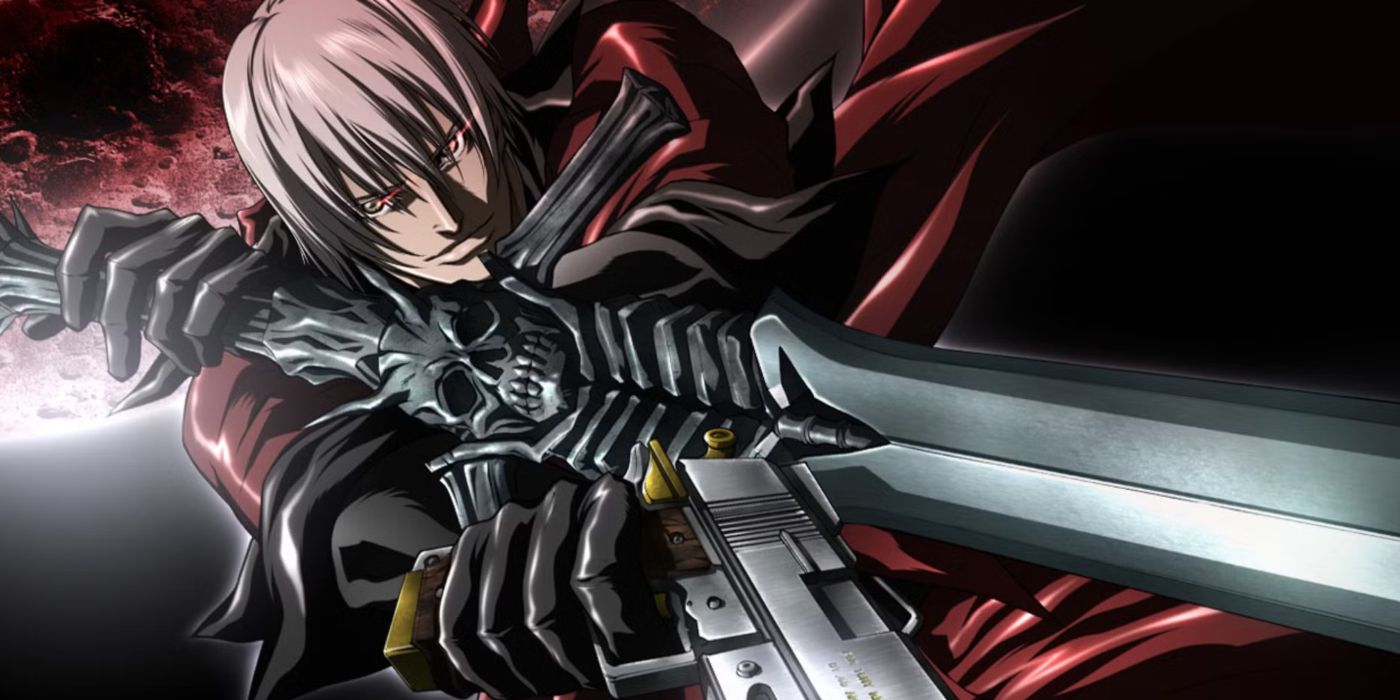
Don’t worry; this project is far from being fan-made — the eight-episode production is endorsed by Capcom themselves. However, as viewers dive into this new Netflix adaptation, there was actually a much earlier series based on the highly favorable video game series you should check out. In this case, it was an anime version of Devil May Cry released close to 20 years ago. For DMC game historians, this 12-episode miniseries officially takes place between the events of the first and second games. This is a great starting point for those just stepping into the franchise (with retro gaming on the rise, this could very well be the case).
‘Devil May Cry’s First Animated Rendition
3
/5
Release Date
April 3, 2025
Network
Netflix
Writers
Alex Larsen
-
Johnny Yong Bosch
Dante (Voice)
Nevertheless, the show’s premise involves Dante running a demon-hunting business called — you guessed it — Devil May Cry. Alongside his long-time friends (and fellow hunters), Lady and Trish, his manager, J. D. Morrison, and a little girl named Patty Lowell (who becomes more important as the series goes on), this quite obscure anime certainly has a look more connected with that time (2007) but should in no way be discarded. The Shin Itagaki-directed and Madhouse-produced video game anime still has a lot going for it.
Related
Netflix’s ‘Devil May Cry’ Will Feature Final Role of Beloved Batman Actor
The legendary voice actor’s final ever role comes as a surprise.
Firstly, you can’t venture too far into anything Devil May Cry-related without talking about the demons that Dante has to fight. In that regard, Madhouse (and the producers of the show) took no shortcuts here. While the introductory episode goes a little basic (most of the importance was in setting up the world and the characters within), the second entry gets very creative and has our favorite demon hunter take on a possessed motorcycle.
In the process, an entire bridge is destroyed. In later entries, there’s a priest who’s actually a fallen angel serial killer, a distraught rock singer who becomes corrupted by a vicious siren (a favorite of many), and a surprisingly emotional father and son tale that goes awry. Oh, and just like every other anime, this version of Devil May Cry has an over-the-top, carnage-filled finale that can’t be missed.
A Human Approach to ‘Devil May Cry’
In terms of visuals, it may have followed Madhouse’s style of the time — stylish, jagged lines — but the antagonist creation was easily a step above average. On the other hand, some may complain about the actual fights being underwhelming, and they may be right. But 2007’s Devil May Cry showed something that Shankar’s version desperately needs to succeed: Dante’s day-to-day life. Writer Toshiki Inoue tried to craft Dante into a relatable character for people to connect to rather than a frenzied swordsman slashing everything to bits (as seen in the games).
Related
Devil May Cry Anime: Will It Crossover With Castlevania?
Castlevania producer Adi Shankar is working on a Devil May Cry anime with Netflix. Will the two finally cross over?
Dante’s agency is losing more money than it’s making; he doesn’t clean up after himself and eats pizza and strawberry sundaes all day. There’s even an episode where he doesn’t actually kill the demon because the humanoid creature has developed emotions, falling in love with a woman. There are even times when the dialogue that takes place (that is, between Dante and the supporting characters) starts to create a family-like dynamic, and then a demon of the week pops in, which redirects the series back into an action-oriented genre. It’s quite different for a series based around Devil May Cry, but it’s equally refreshing to see a balance between fighting and fundamentals.
The Soundtrack Helps ‘Devil May Cry’s Tone
As said before, Devil May Cry is just a miniseries, not a full-fledged series like the Netflix production. Not only that, but the former show initially aired on the Funimation channel, a place many people probably didn’t know existed. Chiller also put the series on its once-a-week anime programming block five years later, in 2015. It’s a sad story (but typical for the time since anime wasn’t as popular on the whole just yet). The underrated show had unique elements surrounding Dante and his friends and boasted an incredible soundtrack, both in the intro and the closing credits.
There are even some acoustic pieces that help remind the viewer that Dante has a humanistic side and can feel for the people he comes across throughout the episodes. Both critical and audience reactions were mixed to Itagaki’s rendition. Both Anime News Network and Otaku USA favored the character foils and weekly plots but seemed to agree on the otherwise underwhelming fight sequences. If the new Netflix series has you craving more gun-toting and sword-slashing from a certain demon slayer, the first Devil May Cry series is currently available to stream on Crunchyroll and Hulu. Devil May Cry (2025) is streaming on Netflix.
You can view the original article HERE.