:quality(85):upscale()/2026/05/13/491/n/1922398/ec86f6496a0456f191d4d1.14278732_.jpg "Introducing Popsugar Pulse Cover Stories")


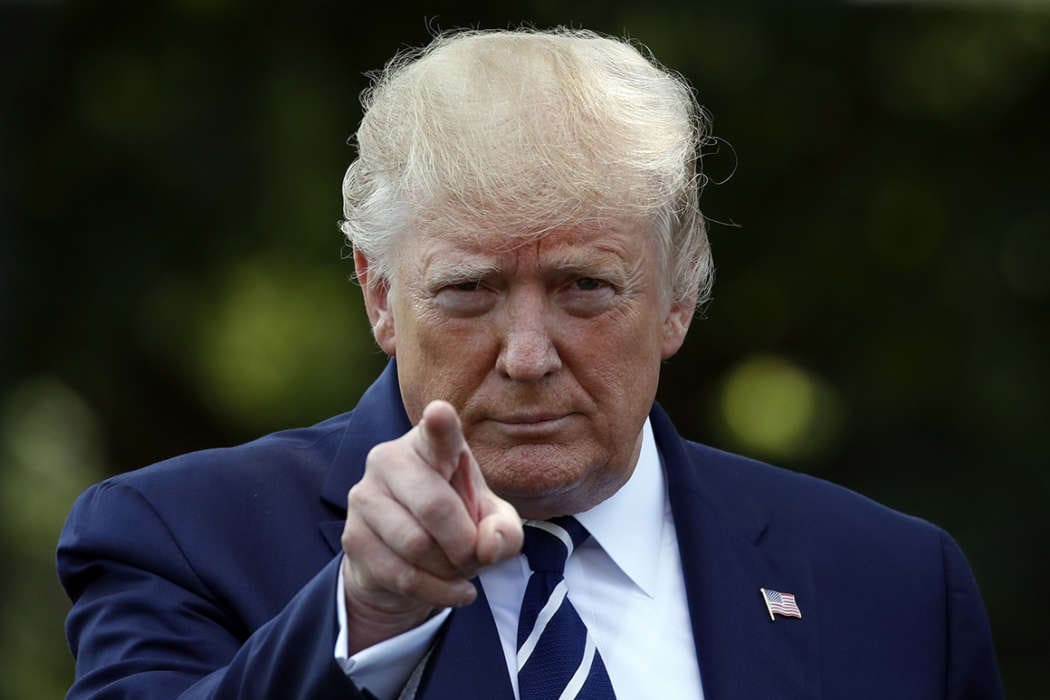
Donald Trump made sweeping claims about Iran and the Strait of Hormuz on Wednesday, declaring he has the critical waterway ‘totally blockaded’ while asserting the closure costs Iran half a billion dollars daily.
The former president shared his remarks on social media, painting a picture of Iranian desperation behind closed doors. According to Trump, Iran publicly supports keeping the strait closed but privately wants it reopened for economic reasons.
‘Iran doesn’t want the Strait of Hormuz closed, they want it open so they can make $500 Million Dollars a day (which is, therefore, what they are losing if it is closed!),’ Trump wrote on his Truth Social platform. The post was later shared by Breaking911 on X, where it gathered over 300 likes.
Trump went further, claiming Iranian representatives had approached him directly about the situation. He explained: ‘People approached me four days ago, saying, Sir, Iran wants to open up the Strait, immediately.’
The Strait of Hormuz serves as one of the world’s most important oil chokepoints, with roughly 20% of global petroleum liquids passing through the narrow waterway between Iran and Oman. Any disruption there typically sends oil prices climbing and creates ripple effects across global markets.
Trump’s assertion that he has the strait ‘totally blockaded’ represents a bold claim about his current influence over Middle Eastern affairs, despite holding no official government position. The former president often speaks about foreign policy as if he maintains active diplomatic channels, a pattern that has drawn both support and skepticism from various quarters.
The most striking element of Trump’s statement came in his description of potential future negotiations with Iran. He suggested any deal to reopen the strait would require devastating military action first.
‘But if we do that, there can never be a Deal with Iran, unless we blow up the rest of their Country, their leaders included!’ Trump wrote, escalating his rhetoric significantly.
This type of military threat has become characteristic of Trump’s approach to Iran policy discussions. During his presidency from 2017 to 2021, he withdrew the United States from the Iran nuclear deal and imposed what his administration called ‘maximum pressure’ sanctions.
Trump’s latest comments arrive as Middle Eastern tensions continue simmering. Iran has previously threatened to close the Strait of Hormuz during periods of heightened conflict, using the waterway as leverage in regional disputes. However, actually following through on such threats would severely impact Iran’s own oil exports, which provide crucial government revenue.
The former president’s claim about Iran’s private communications raises questions about what diplomatic channels, if any, remain active between Trump and foreign governments. Since leaving office, Trump has occasionally mentioned receiving calls or messages from world leaders, though the nature and frequency of such contacts often remains unclear.
Trump’s suggestion that Iran only supports closing the strait to ‘save face’ reflects his interpretation of Iranian motivations. He argued the country’s public position contradicts its economic interests, creating what he sees as an opening for negotiation.
The Breaking911 post sharing Trump’s remarks generated modest engagement on social media, with supporters praising his tough stance while critics questioned both the accuracy of his claims and the wisdom of such public threats.
Trump’s comments come as he campaigns for another presidential term in 2024, with foreign policy likely to feature prominently in upcoming debates. His approach to Iran has consistently emphasized military strength and economic pressure over diplomatic engagement.
Whether Iran has actually lost $500 million daily from strait disruptions, or whether Trump maintains any real influence over the waterway’s operations, remains unclear. What’s certain is that Trump continues viewing Middle Eastern policy through the lens of economic leverage and military threats, a combination that defined much of his previous administration’s approach to the region.
You can view the original article HERE.

:max_bytes(150000):strip_icc():focal(669x117:671x119)/matthew-perry-memoir-103023-1-6f1928875b154561b44a2fb1b598c35d.jpg "Matthew Perry’s Foundation Will Extend His Legacy on Giving Tuesday")