









375
For years, travel planning existed quietly in the background of people’s lives. Trips lived inside Notes apps, saved TikToks, screenshots, Pinterest boards, and long group chats where friends tried to piece together where to stay, what to book, and what was actually worth doing. Hours of research often disappeared the moment a trip ended.
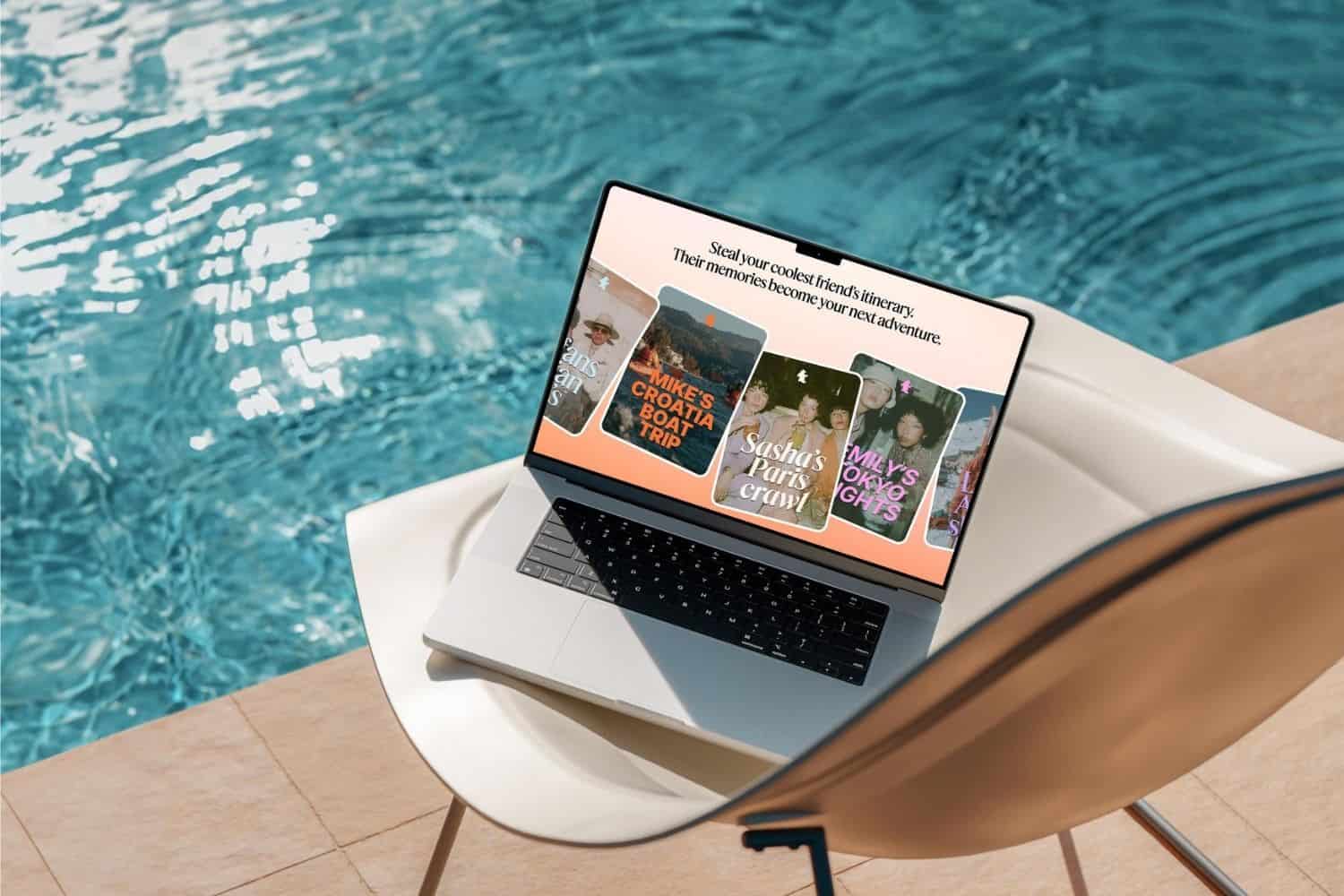
Most travel planning was temporary. But platforms like Boop are betting that itineraries themselves are becoming a new form of social discovery Across social media and digital culture, travel itineraries are moving from private planning tools to shared cultural objects. Instead of being rebuilt from scratch, trips are increasingly being followed, saved, and adapted from people whose taste others trust. Travelers are no longer only relying on search or traditional guides. Increasingly, they are choosing trips the same way they choose playlists: by following someone’s curated version of an experience.
That trust can come from creators, but also from everyday travelers whose itineraries circulate organically online.
On Boop, creators and tastemakers share structured trips that others can copy and adapt. One example is Sage VanAlstine, a Paris-based travel creator whose itineraries reflect Boop’s broader focus on lived, real-world discovery rather than standard “must-see” lists. Her trips are shared as full routes that others can follow and reinterpret, not just inspiration posts.
But the shift is not limited to creators.
Often, the most influential itineraries come from friends, mutuals, or frequent travelers whose recommendations feel more grounded than traditional travel content. The value is in lived experience — knowing how a trip actually flows from one place to the next.
This reflects a broader cultural shift where taste itself is becoming more social and portable. Music playlists, restaurant edits, beauty routines, and travel itineraries are all functioning in similar ways online: curated expressions of identity that others can adopt or remix.
Travel fits naturally into that system because it is inherently aspirational and experience-driven.
But there is still a gap between inspiration and execution. A TikTok or Instagram post might spark a trip idea, but it rarely provides the structure needed to actually follow it.
That gap is where Boop is positioned.
The platform allows users to turn real trips into structured itineraries that others can follow, adapt, and book. A trip to the Greek islands or a weekend in Paris can become a repeatable framework rather than a one-off experience.
(Courtesy)
“Travel today is broken across inspiration, planning, and booking,” said Nancy Li Smith, Founder and CEO of Boop. “People discover trips on social media, plan across scattered tabs, and book in isolation. Meanwhile, millions of real, high-quality itineraries sit unused in people’s camera rolls.”
Instead of rebuilding trips manually, travelers are increasingly starting with someone else’s version and adjusting it to their own preferences.
The itinerary becomes the starting point, not the final product.
And much like playlists, no two people experience it the same way.
What emerges is a more social, flexible way of traveling — where trips are no longer just planned, but shared, remixed, and passed along as cultural references.
The question is no longer just where people are going.
It is whose version of the trip they are choosing to follow.
In partnership with APG
You can view the original article HERE.

:quality(85):upscale()/2020/12/16/908/n/1922564/fc3248845fda72672054e8.54647460_.jpg "Best Holiday Pajamas For Women 2023")

:quality(85):upscale()/2024/06/10/834/n/1922564/8e7ab13466674d6ec996c6.02522027_.jpg "Best White Clothes From Gap For Summer")









:quality(85):upscale()/2026/09/09/951/n/1922564/a00413786aa1d4ad212cc8.32254730_.png "The 12 Gap Staples on a Shopping Editor's Fall Wish List")
